
Why Your Dreams Matter More Than You Think
Just as not every thought we have is truth, not every dream is meant to be a message. But some may hold invitations, to listen, to seek God, to reflect on what He might be showing us through our subconscious.

Embodied Grace: Healing the Broken Parts Within
Even as I type this, I feel goosebumps on my skin. There’s something about this overlap that reveals the very essence of Christ and His sacrifice.
“He heals the brokenhearted and binds up their wounds.” Psa 147:3
Notice it doesn’t say He removes or erases them. He binds them. He holds what is broken.

Confused by Genetics? Here’s the Bigger Picture
Being predisposed to mental health or neurodivergent traits does not mean a person is broken or needs to be fixed just as someone with a susceptibility to hayfever is not defined by it. Behaviours or symptoms may be exacerbated if the underlying system isn’t supported, but these traits are not the sum of the person.

The Biology of Belonging: Vasopressin, Empathy, and Spiritual Thirst
Empathy is not just a social skill it is rooted in our biology, influenced by ancestral genes, parental bonding, and early relational experiences. While neuroplasticity allows for growth and change, it is most effective when paired with strengthening social and relational skills.

Time, Dimensions, and Scripture: Seeing Beyond the Human Lens
This reminded me of how often we humans look at faith through a flat, two-dimensional lens. We limit God to our perspective instead of expanding into awe of what He continually reveals around us.

Fear, Trembling, and the Awe of God: An Embodied Faith
Too often it is misquoted and misused, painted as something unpleasant, a reminder of shame, guilt, or the idea that in order to be “known by God” we must cower in fear. But what if Paul meant something much deeper, more embodied, more life-giving?

Autism and Calcium Gateways: Why Stress and Regulation Matter More Than We Think
The discovery about calcium gateways is fascinating, but it’s still only one channel and one process. We risk going wrong if we make autism a purely mechanical story, as if switching a single pathway “on” or “off” could explain the whole human experience.
The Invisible Threads of Energy, Emotion, and Thought
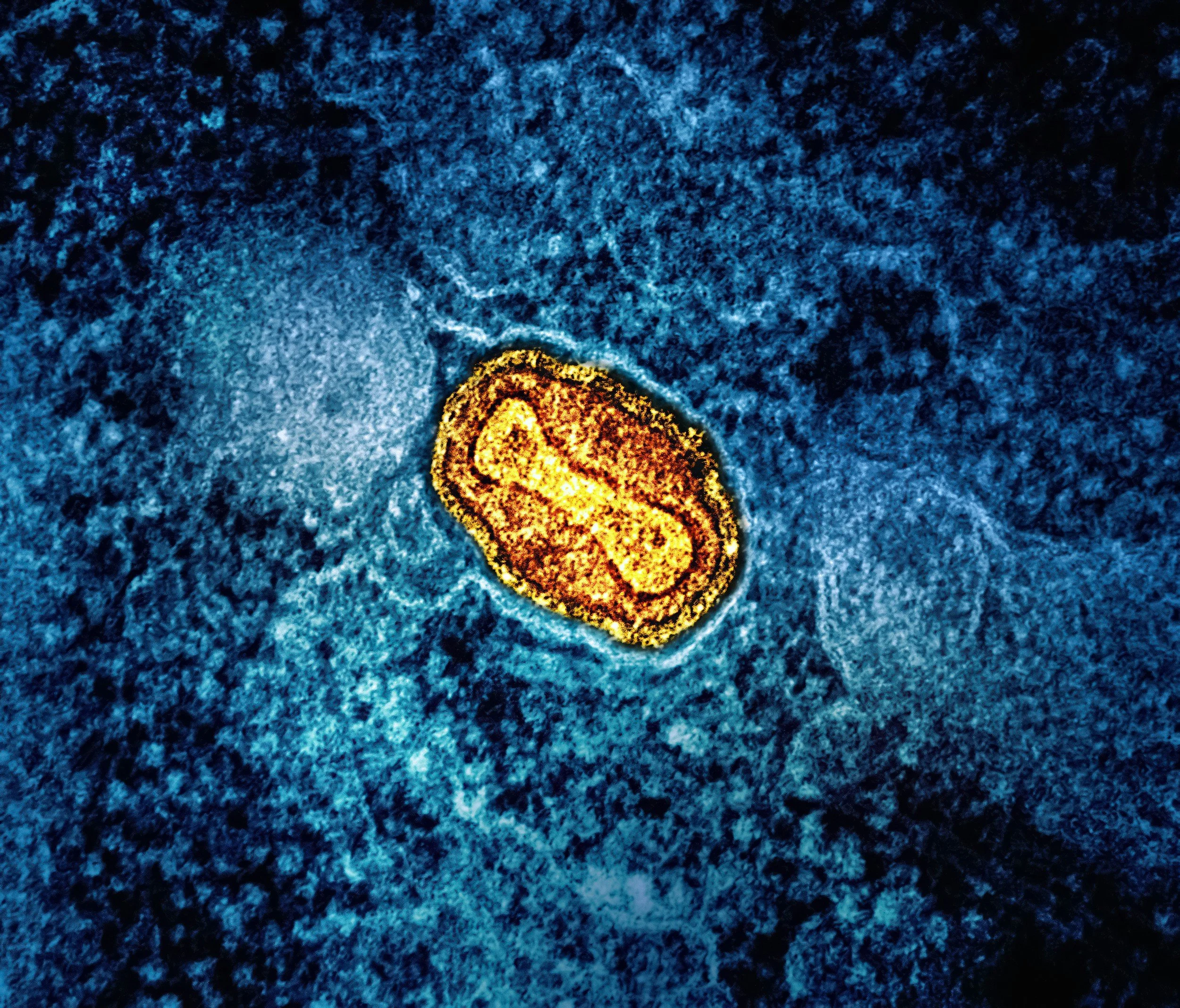
Mitochondria rely on nutrients, microorganisms rely on balance, and we rely on the integration of it all. When Paul says the weaker parts are indispensable, it mirrors this scientific truth: the smallest, most hidden forces sustain the whole.
Healing Layer by Layer: A Whole-Body Approach to Wellness
In our modern quest for health, it’s easy to become overly focused on solutions or supplements. Yet, too much too soon can be just as harmful as too little. Healing is slow, steady, and layered. Physical, emotional, and spiritual health must all be considered.

The Healing Power and the Journey Isn’t Where You Think It Is
Looking back now, I ask myself: how can one say they know God or that Christ is within them without acknowledging His Spirit? Not as some far-off mystery of the past, not as something reserved only for worship services, or when prayers are answered according to our will, but here, now, in this very breath.

Scent as a Backdoor: How Memory and Emotion Connect Us to Spirit
It’s like a secret shortcut evoking feelings and unlocking hidden parts of ourselves before our rational brain even knows what’s happening.
Selah in the Unexpected
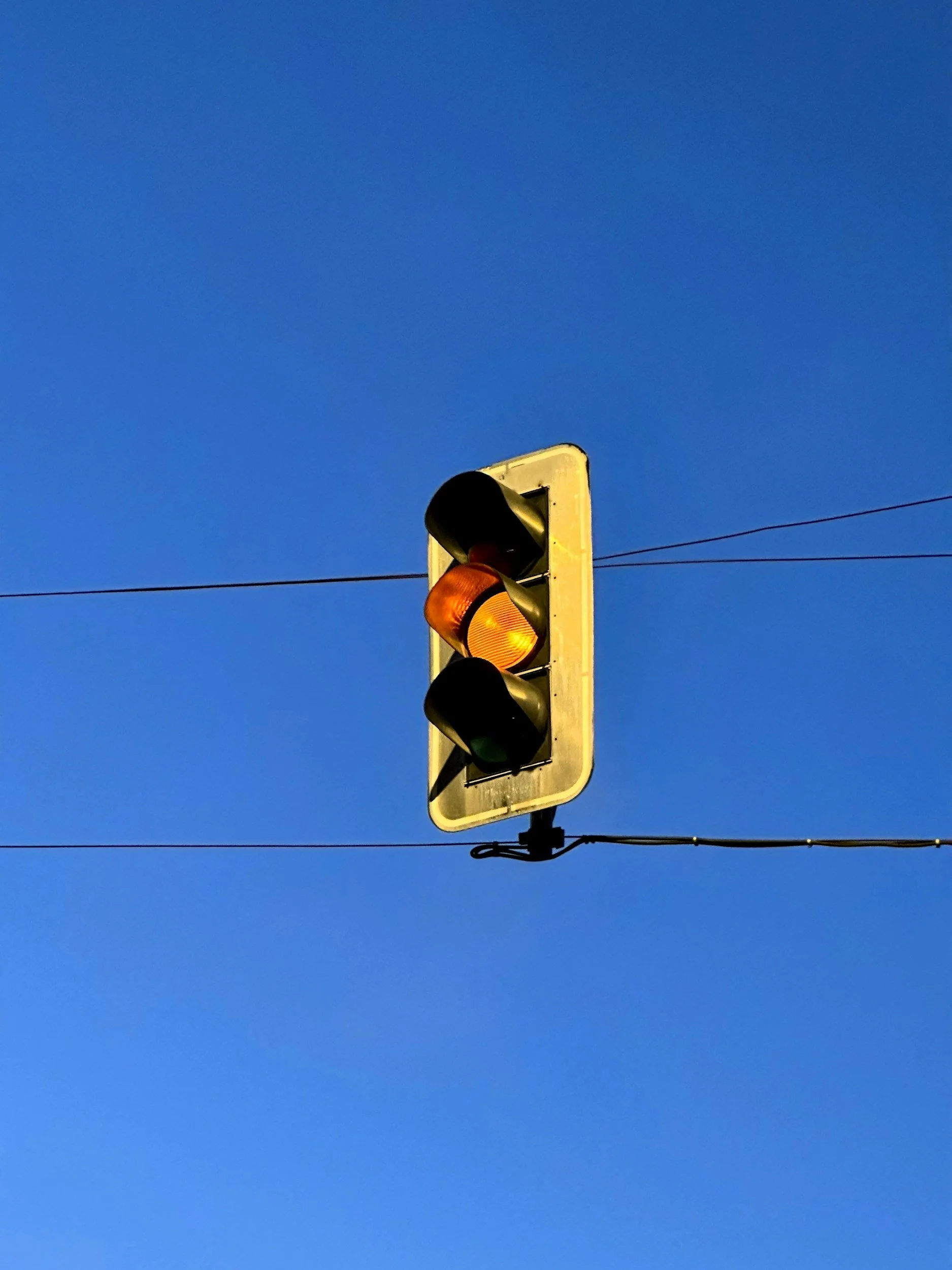
A sacred shift. From sympathetic (fight, flight, freeze)...
To parasympathetic (rest, digest, regulate). This moment, the pause it tells the body: "It’s safe now." It restores heart rate. It supports digestion. It rebalances hormones. It brings you home.

Refined, Not Burned: A Whole-Body Journey Through Trauma to Truth
While we turned to psychology, we quickly realised that traditional talk therapy often made her sit in her pain without shifting it. It became a trap rumination that further solidified trauma as identity.
Not out of routine… but relationship
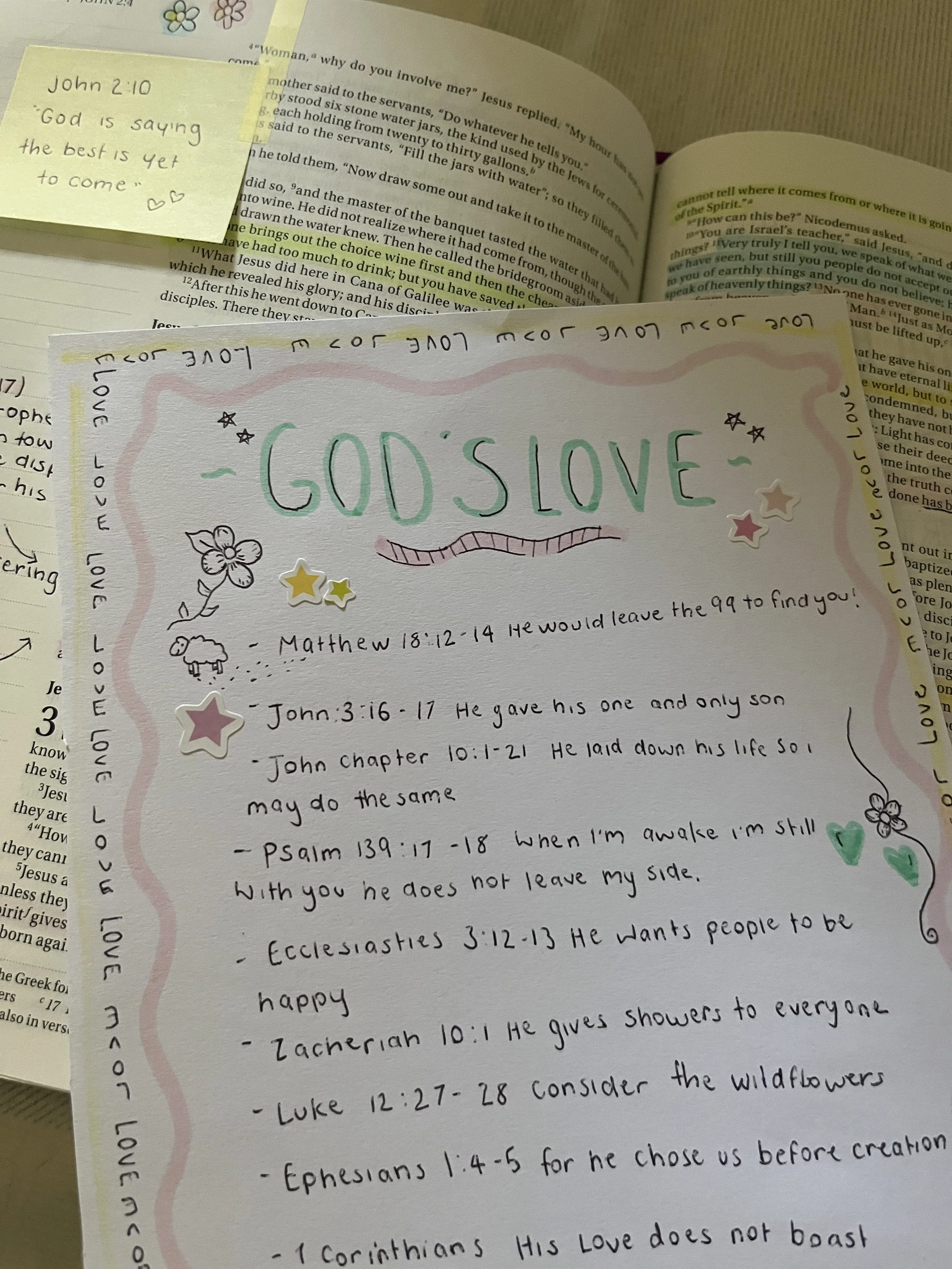
As a family, we made the decision that going to church wouldn’t just be a weekly event. While we love it and it fills our cup.we also want to cultivate something deeper a spiritual life that’s alive and real, even in the quiet mornings at home.
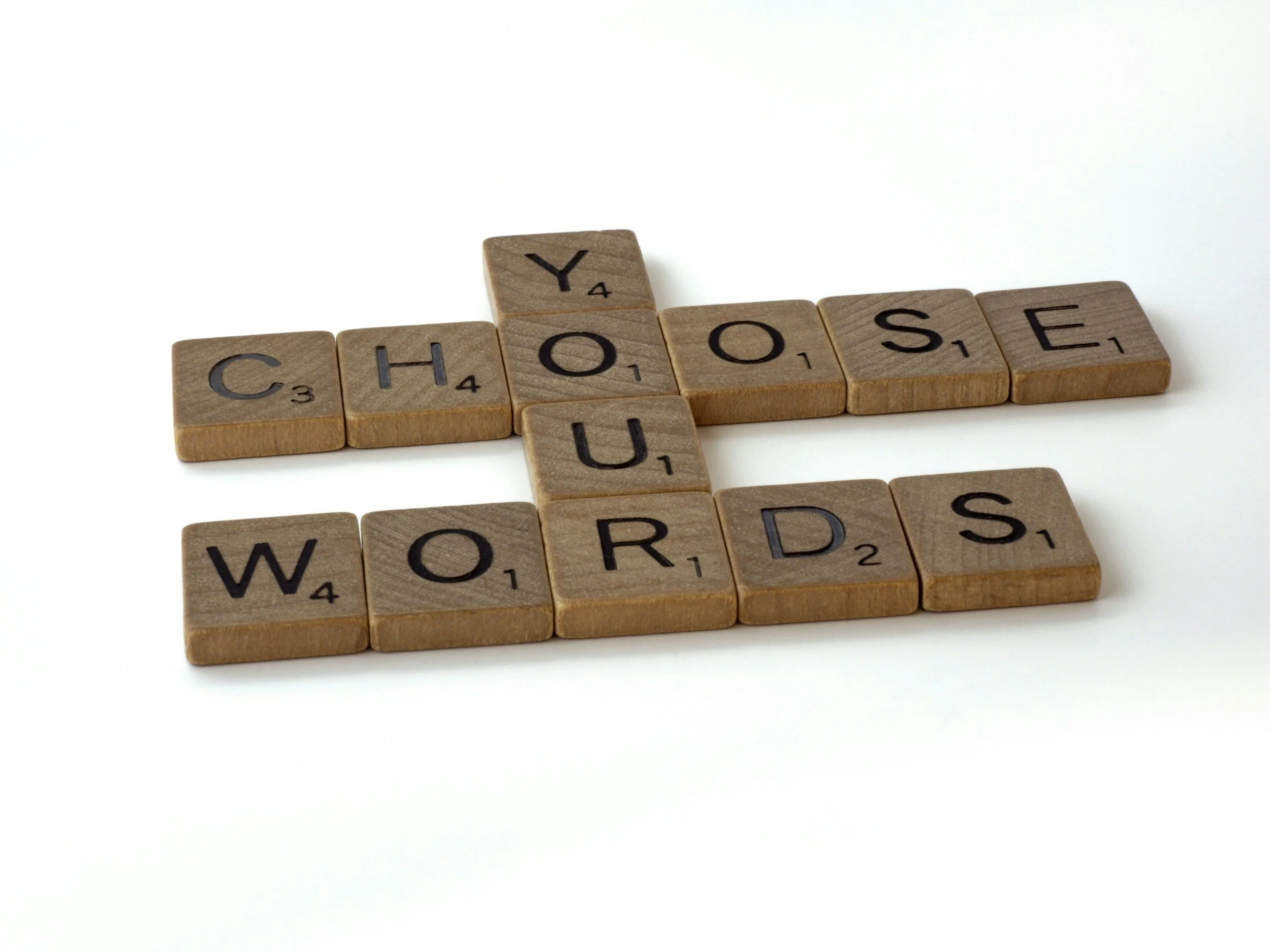
The Weight of Our Words: Who Are They Really For?
It’s easy to speak on autopilot. "You look lovely." "I’m proud of you." "I love you." We’ve learned to say these things almost as a script, passed down generationally or absorbed culturally, and while they can be deeply meaningful, they can also become hollow if we don’t embody what we say.

Becoming Like a Child: The Somatic Wisdom of Scripture
Before beliefs, before structure, before the world layered over us its conditions, expectations, and fears we were born into this world with breath. The very breath God gave humanity. In that first inhale, there was no striving or confusion. We were simply being, unguarded and whole, made in His image.
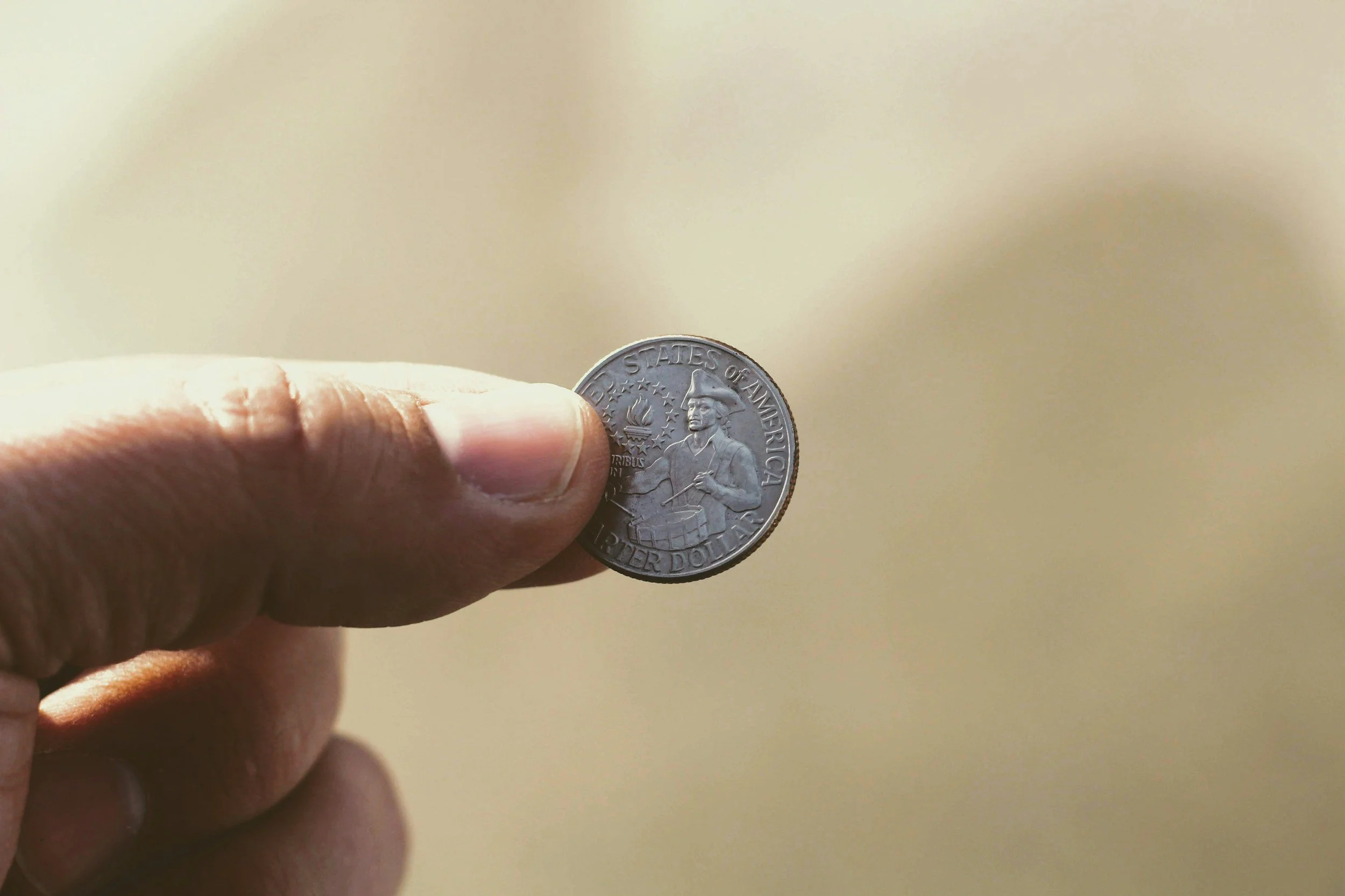
The Flip Side of a Coin: Exploring Labels
Over time, I noticed that resistance to “labels” didn’t usually come from those who were actually neurodivergent. It came more often from people uncomfortable with difference, or those who hadn’t yet explored their own biases or internal stories. There’s a deeper discomfort in society with vulnerability and labels often make things visible that we’re taught to hide.

What Lies Beneath
It’s far too easy to navigate life focused solely on what we see our external terrain. Whether distracted by the daily grind, hyper-vigilant and scanning for threats, or over-stimulated by the sheer noise of the world, we often lose touch with the inner terrain. But what lies beneath?
Healing Isn’t What You Think
“Instead, we allow a process to unfold gently and patiently where we build our window of tolerance to sit with discomfort, to witness ourselves, and to hold space for the body.”

Beyond the Label: Seeing Autism Through the Body’s Wisdom
For all the noise and awareness raised in the last decade, our collective understanding of autism is still shaped by outdated beliefs. Originally, the label “autism” was tied to severe intellectual and developmental delays, terms like “retarded,” “disabled,” and “nonverbal” were central to its definition. Now, it’s used as a wide-ranging umbrella and we need to stop and ask:
is the label itself still serving us?